Brewing science
Microbiologist and member of the quality team at The Manhattan Project Beer Co. in Dallas.
In the lab
Brewing is a science in itself. Everything from yeast management to testing for contamination and off-flavors makes the lab invaluable to every beer.
Since 2020 I have been the microbiologist at The Manhattan Project Beer Co., a production brewery distributing across Texas. I established its laboratory and QA/QC program, covering yeast management, microbiological screening, and analytical and sensory quality control, and I maintain a library of more than 30 yeast strains for production, experimental batches, and new product development. Every batch is monitored from wort production through packaging.
From grain to package
Roller mill
Milling
Malted barley is crushed between rollers to expose the starchy endosperm while keeping the husk largely intact, so it can later form the filter bed.
- Malt certificates of analysis
- Grist consistency
Mash tun
Mashing
The grist is hydrated with hot liquor. Malt amylases (α and β) hydrolyse starch to fermentable sugars; the mash temperature sets the balance between them and so the fermentability of the wort.
- Mash temperature
- Mash pH
Lauter tun
Lautering
The wort is separated from the spent grain through the grain bed, which is then sparged with hot water to recover residual extract.
- Wort gravity
- Run-off clarity
Kettle
Boil
The wort is boiled to sterilize it, coagulate protein, and volatilize DMS. Hops are added for bitterness (isomerization of α-acids) early in the boil and for aroma late.
- Pre- and post-boil gravity
- pH
- Boil vigor (DMS)
Whirlpool
Whirlpool
A whirlpool consolidates hop material and coagulated protein (hot break) into a central cone so that clear wort can be drawn off; late hop additions contribute aroma here.
- Wort clarity
Heat exchanger
Knockout
The hot wort is cooled to pitching temperature through a plate heat exchanger and oxygenated in line, since yeast require oxygen early in fermentation for sterol and unsaturated fatty acid synthesis.
- Knockout temperature
- Wort dissolved oxygen
- Wort sterility (the first microbiological sample of each batch)
Fermentor
Fermentation
Yeast is pitched at a defined rate and converts wort sugars to ethanol, CO₂, and flavor-active metabolites. Temperature control governs ester and higher-alcohol production; at the end of fermentation the yeast reabsorb diacetyl before the beer is cooled.
Budding yeast at pitching. Cell density and viability are measured before each pitch.
- Cell count and viability before pitching
- Gravity and temperature throughout fermentation
- Forced diacetyl (VDK) test
- Plating for contaminants
- Yeast health before re-pitching
Brite tank
Conditioning
The beer is chilled, clarified, and carbonated in a bright tank in preparation for packaging.
- CO₂ content
- Dissolved oxygen
- Clarity
- Sensory evaluation
- Microbiological release testing
Kegs
Kegging
Cleaned and sanitized kegs are purged and filled under CO₂ counter-pressure.
- CO₂ content
- Keg cleaning and sanitation verification
Cans
Canning
Cans are purged, filled, and double-seamed. Oxygen picked up during filling is the principal threat to shelf life.
- Total package oxygen
- Fill level and CO₂
- Double-seam inspection
Barrels
Barrel aging
Beer matures in oak, often former spirit barrels, for several months and up to two years, taking on wood and spirit character; some barrels harbor deliberate mixed cultures.
- Sensory evaluation over time
- Gravity
- Plating for intended and unintended organisms
Yeast health
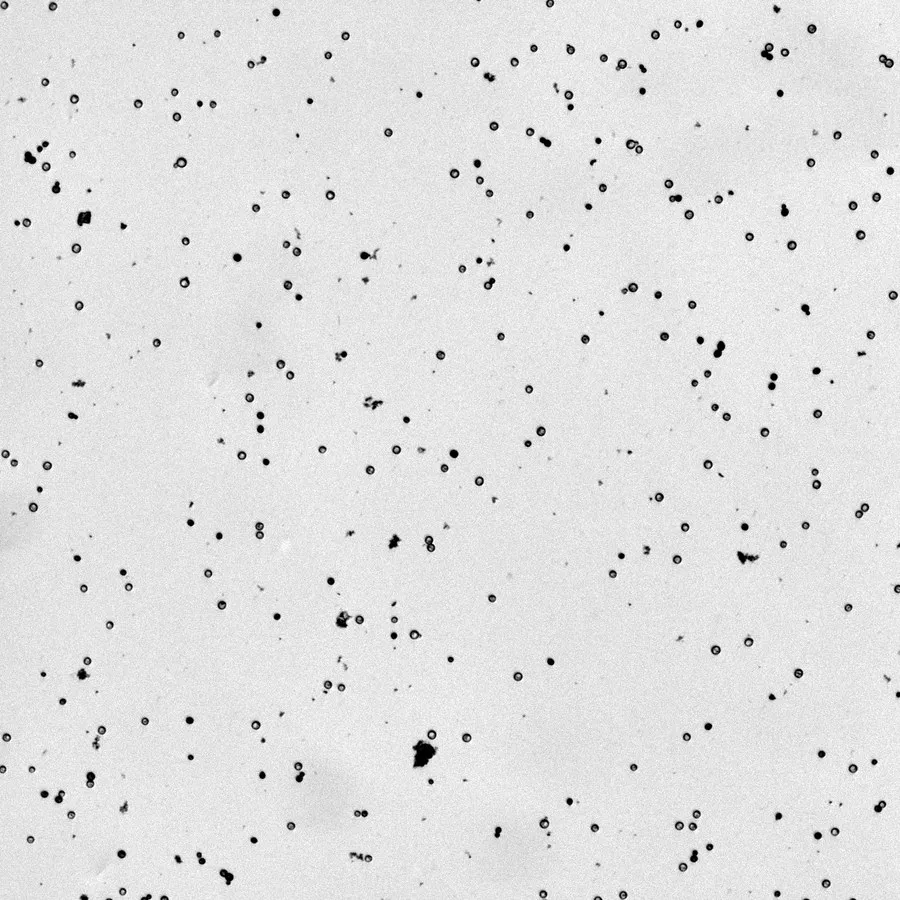
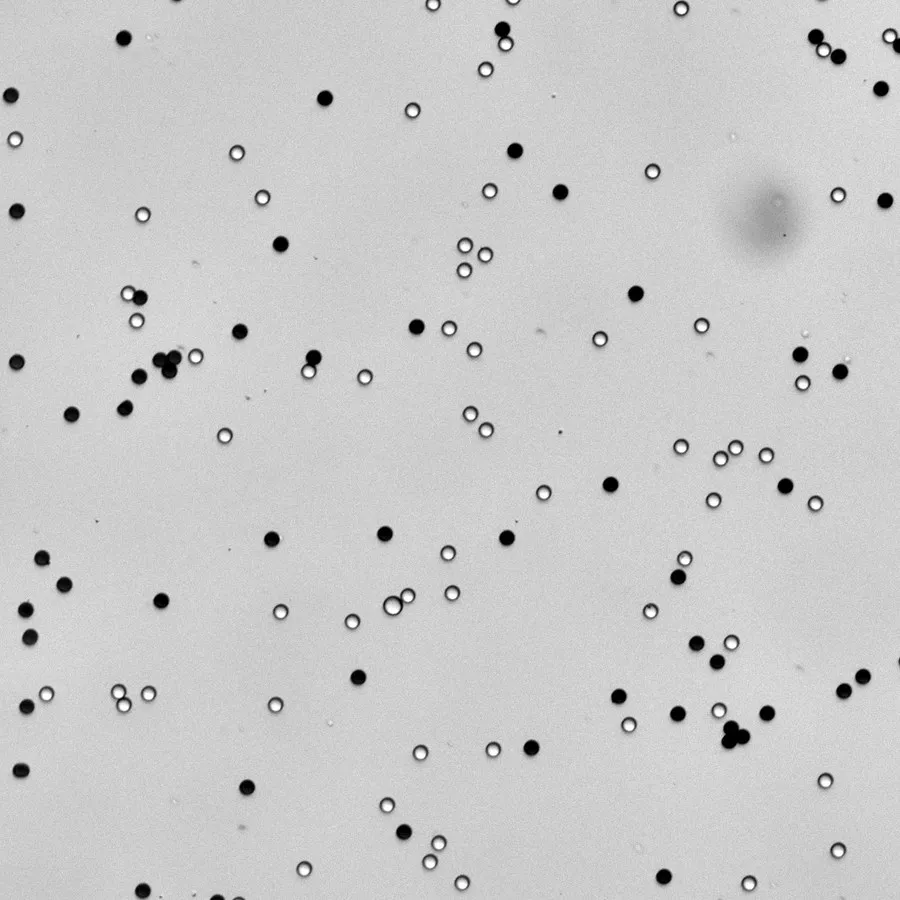
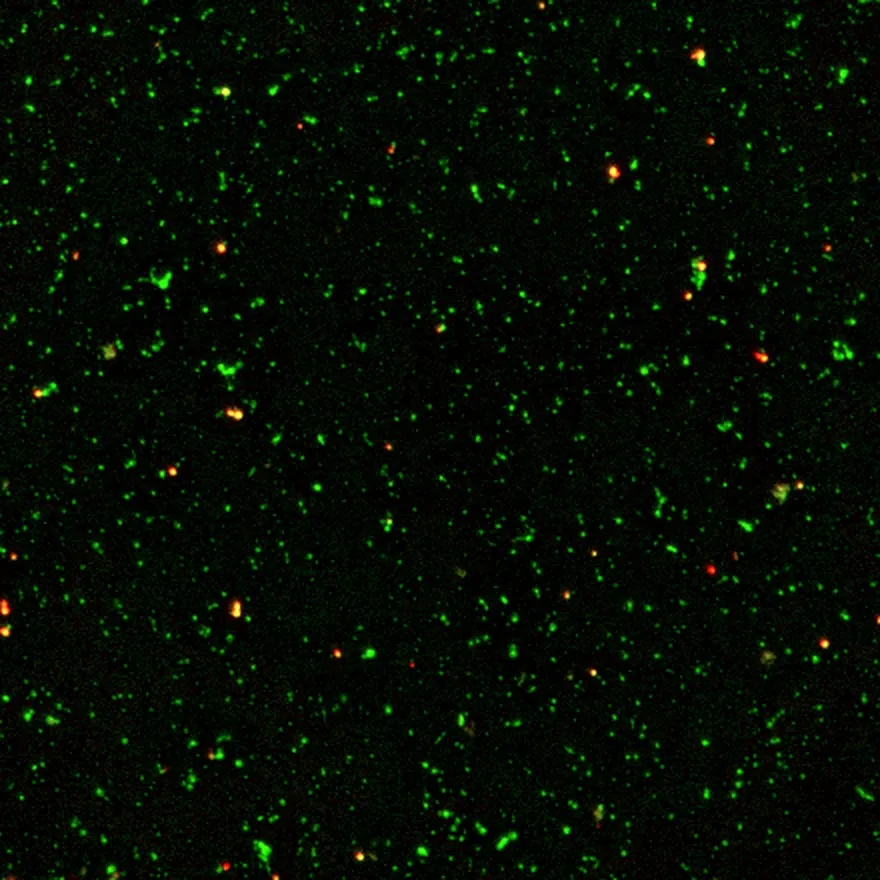
Each pitch is preceded by a cell count and viability assessment, so every fermentor receives a defined number of viable cells.
Viability stains distinguish intact from compromised cells. In bright field, viable cells exclude the dye and remain clear, while non-viable cells take it up and stain dark; fluorescent live/dead stains read on an automated counter label viable cells green and non-viable cells red. Together with the cell density, viability determines the pitch volume for each batch and whether a harvested crop is fit for re-pitching.
Testing
Selective and differential media favor particular organisms and suppress others, so each plate addresses a specific question.
| Medium | Detects | How |
|---|---|---|
| WLNWallerstein Laboratory Nutrient | Brewing yeast and general microbial population | A general-purpose medium with a pH indicator (bromocresol green); colony color and morphology distinguish strains and confirm culture purity. |
| WLDWallerstein Laboratory Differential | Bacteria | WLN supplemented with cycloheximide, which suppresses brewing yeast and allows lactic and acetic acid bacteria and other bacteria to grow. |
| LCSMLin’s Cupric Sulfate Medium | Wild (non-Saccharomyces) yeast | Copper sulfate inhibits brewing Saccharomyces, so growth indicates wild yeast. |
| LMDALee’s Multi-Differential Agar | Beer-spoiling bacteria | A differential medium that separates lactic acid bacteria, such as Lactobacillus and Pediococcus, from other beer bacteria by colony color and morphology. |
| UBAUniversal Beer Agar | Beer-spoiling bacteria | A beer-based medium, usually incubated anaerobically, selective for Lactobacillus and Pediococcus strains able to tolerate the hops and ethanol of finished beer. |
Coming to the lab
PCR (the polymerase chain reaction) copies a short, organism-specific stretch of DNA many millions of times, so that even a few cells of a target organism can be detected. Quantitative PCR (qPCR) follows the amplification as it happens and so also estimates how many cells were present. Culture-based methods take days and can miss slow-growing or viable-but-non-culturable organisms; qPCR returns results within hours. The panel planned for the lab targets four of the most significant beer-spoilage groups:
- Diastatic yeast
- S. cerevisiae var. diastaticus (STA1 gene) secretes glucoamylase and continues to ferment dextrins in package, causing over-attenuation and over-carbonation.
- Brettanomyces
- Wild yeast that contributes phenolic, earthy, and animal character where it is not intended.
- Hop-resistant Lactobacillus
- Lactic acid bacteria carrying hop-resistance genes (e.g. horA, horC) that allow growth in finished beer and acidify it.
- Hop-resistant Pediococcus
- Produces diacetyl and, in some strains, exopolysaccharide that gives a ropy texture.
Quality checks
- Dissolved and total package oxygen
- Oxygen introduced after fermentation drives staling and hop-aroma loss; it is measured in tank and in the finished package.
- Carbonation
- CO₂ content in tank and package, for consistent mouthfeel and dispense.
- Can seams
- Double seams are measured and torn down to confirm correct formation and package integrity.
- Forced diacetyl
- Heating a sample converts residual α-acetolactate to diacetyl, revealing whether the beer is ready to be cooled.
- Gravity, alcohol, pH
- Tracks fermentation progress and confirms each batch finishes within its specification.
- Sensory
- Trained panel evaluation against a reference for each beer, which catches what instruments miss.
Off-flavors
- AcetaldehydeGreen appleGreen beer: incomplete fermentation or stressed yeast; also acetic acid bacteria
Acetaldehyde Green beer: incomplete fermentation or stressed yeast; also acetic acid bacteria
- Acetic, lacticVinegar; sour milkAcetic or lactic acid bacteria
Acetic acid Acetic or lactic acid bacteria
- DiacetylButter, butterscotchYeast by-product (via α-acetolactate) not reabsorbed before cooling; also Pediococcus and other bacteria
Diacetyl (2,3-butanedione) Yeast by-product (via α-acetolactate) not reabsorbed before cooling; also Pediococcus and other bacteria
- DMSCooked corn, cooked vegetablesS-methylmethionine from pale malt not driven off, through an insufficient boil or slow wort cooling
Dimethyl sulfide S-methylmethionine from pale malt not driven off, through an insufficient boil or slow wort cooling
- Hydrogen sulfideRotten eggSulfur-producing or stressed yeast, normally dissipated during conditioning; also Pectinatus
Hydrogen sulfide Sulfur-producing or stressed yeast, normally dissipated during conditioning; also Pectinatus
- LightstruckSkunkyPhotolysis of hop iso-α-acids by blue and UV light, sensitized by riboflavin; clear and green glass offer little protection
3-Methyl-2-butene-1-thiol Photolysis of hop iso-α-acids by blue and UV light, sensitized by riboflavin; clear and green glass offer little protection
- OxidationWet cardboard, paperOxidation of unsaturated fatty acids, driven by oxygen pickup after fermentation and by age and temperature
trans-2-Nonenal (cardboard) Oxidation of unsaturated fatty acids, driven by oxygen pickup after fermentation and by age and temperature
- PhenolicClove, smoke, plastic, medicinalPhenolic (POF+) or wild yeast decarboxylating ferulic acid; medicinal chlorophenols arise from chlorine in water or sanitizers
4-Vinylguaiacol (clove) Phenolic (POF+) or wild yeast decarboxylating ferulic acid; medicinal chlorophenols arise from chlorine in water or sanitizers
Beers
- Pyrocumulus5–6% ABVRauchbier (smoked Märzen)A smoked Märzen in the Bamberg Rauchbier tradition, brewed with malt smoked in house: amber and malt-forward, with toasted-bread character beneath a clean wood smoke.
- M.A.D.20% ABVBelgian-style imperial brown aleA Belgian-style imperial brown ale fermented to 20% ABV without distillation or freeze concentration, in the tradition of beers such as Samuel Adams Utopias. At that strength the yeast is working against its own ethanol, so fermentation management defines the project.